
Spa Treatments for Seasonal Self-Care
The calendar nudges our bodies in quiet ways. Skin drinks humidity differently in July than in January. Sleep runs deeper after a day of autumn wind than after a day blasted by office heating. Muscles behave one way when we are layering sweaters, another when we are chasing a sunrise run. A smart spa routine pays attention to these shifts. Seasonal self-care is not indulgence for its own sake, it is an adjustment that helps your body keep doing what you ask of it, without grinding gears.
I have spent more than a decade working alongside therapists, estheticians, and hydrotherapy attendants. The spa feels different in March than it does in November. The treatments that light people up in midwinter often leave them sleepy in high summer. When you plan with the season, you shorten recovery time, stretch the usefulness of each session, and waste less money on services that feel nice but do little for your current needs.
Why the calendar belongs in your care plan
Seasonal changes alter three fundamentals: skin barrier function, circulation, and nervous system tone. In dry, heated air, the skin’s lipid layer thins. In heat and humidity, sweat and sebum alter pH and bacteria on the surface. Cold constricts vessels at the extremities, while heat dilates them. Daylight length reshapes hormones tied to sleep and mood. These shifts mean the same treatment lands differently month to month.
A practical example: a firm deep tissue massage that feels transforming in April can feel draining in late August, when you are already vasodilated and electrolyte shy. The same holds for exfoliation. A vigorous scrub in February rescues dull skin, while the same scrub in June, on sun-exposed legs, risks irritation and hyperpigmentation. When I look at a client’s booking history, I can spot those mismatches. They usually say the service felt “fine,” yet they did not feel right afterward. The fix is not more spa time, it is better timing.
Spring: wake the tissues without shocking them
Early spring invites optimism and overreach. People sprint into new routines and then show up sore. The body is thawing out of protective winter patterns. This is the moment for moderate stimulation, not punishment.
For bodywork, I suggest a medium pressure massage therapy session focused on circulation and range of motion. Think of it as greasing the hinge rather than wrenching it open. A therapist might combine Swedish strokes for lymph flow with targeted myofascial release around the hips and thoracic spine. Thirty to sixty minutes often hits the mark if you are easing back into movement. If you are an endurance athlete ramping mileage, a ninety minute slot allows time for legs and hips plus the neglected structures of the feet.
Exfoliation returns value here. A gentle sugar or rice bran scrub removes winter’s buildup and helps moisturizers penetrate. If a spa offers a Vichy shower room, that warm horizontal rain after exfoliation can be the most restorative ten minutes of your week. Avoid salt scrubs if your skin is recovering from shaving or any barrier impairment.
Hydrotherapy pairs well with spring’s goal of waking tissues. Contrast baths or alternating warm and cool showers wake peripheral circulation. A hydro circuit with a three minute warm soak, one minute cool plunge, and rest phase helps the cardiovascular system reclaim responsiveness. If you run cold, extend the warm phases rather than forcing icy plunges. The point is to coax, not to prove toughness.
For skin care, spring often reveals post-winter dullness and uneven tone. Enzyme peels, which use fruit-derived proteases, dissolve surface keratin without the risk profile of stronger acids. A facial that combines an enzyme peel with extractions and a hydrating mask sets a clean slate for summer sunscreen and outdoor sweat. If you use retinoids, tell your esthetician. They will adjust strength and avoid overlapping exfoliants that could tip you into irritation.
Allergies complicate spring. If your sinuses flare, ask for drainage-focused massage techniques around the neck and face, and consider steam inhalation with a mild essential oil blend like eucalyptus or niaouli. The oil should be properly diluted. A single drop in a bowl of steamy water is enough. Overdoing menthol or camphor can trigger rebound congestion.
Summer: cool the engine, protect the barrier
Summer’s main challenges are heat load, UV exposure, and friction from activity. The nervous system often sits in a higher arousal state from heat and longer days. Treatments that downshift the body without smothering it are ideal.
I rarely recommend heavy deep tissue work on the hottest days. When the body is already vasodilated, a heavy session can leave you woozy. Opt for lighter to medium pressure massage that focuses on lengthening, not digging. Techniques like lymphatic drainage can be magical in this season, especially if your feet and ankles puff during travel. A thirty minute lower leg session before a long flight reduces that end-of-day ballooning.

Cooling hydrotherapy shines. A simple sequence of tepid soak, cool rinse, and rest can do more for your sleep than a double espresso’s worth of sleep-tracking gadgets. If you have access to a cold plunge, keep dips short and exit before shivering. Two or three rounds of 30 to 60 seconds, followed by dry-off and a few minutes of breathing in a temperate room, often achieves the desired reset. The target is parasympathetic tone, not machismo.
Skin in summer benefits from restraint. Skip strong peels and microdermabrasion if you are outdoors daily. Choose facials centered on barrier support: hyaluronic acid infusions, niacinamide serums, ceramide-rich masks. Ask your esthetician to assess sunscreen residue and sweat-related congestion, then clear it gently. You want skin that plays well with sunscreen reapplication, not skin that protests every afternoon.
Sunburn calls for caution. Do not schedule vigorous exfoliation, waxing, or aggressive massage over burned areas. A spa with an aloe and green tea cooling wrap can provide relief after acute exposure, but make sure they avoid occlusive heat. At home, cool compresses and bland emollients beat exotic concoctions. Scented after-sun gels often sting and add nothing.
If you train outdoors, schedule massage therapy around peak efforts. A light flush the day after a race or long ride helps recovery. Save any focused deep work for later in the week when tissue irritability has come down. Hydration matters, too. Ask your therapist to keep the room a few degrees cooler, and do not be shy about bringing electrolyte tabs if you tend to cramp on the table.
Autumn: recalibrate posture, reset sleep
Autumn rewards the people who prepare for winter rather than endure it. This is the season when we address the posture that crept in during summer hikes with a backpack or months of laptop work on patios. Colder mornings also bring back that protective shoulder hunch.
Therapists can combine myofascial techniques with joint mobilizations to restore thoracic mobility and hip extension. This is where deep tissue massage earns its price if used judiciously. A focused sixty minute session on upper back, neck, and hip flexors can change how your day feels. I often encourage clients to book two sessions a couple of weeks apart in October, rather than one ninety minute in November. The spacing allows adaptation and behavior change between visits.
Hydrotherapy shifts warmer. Saunas, steam rooms, and soaking tubs reclaim their spot. In the sauna, the sweet spot for many is 10 to 15 minutes, a cool rinse, and rest, repeated twice. You do not need punishing heat to see cardiovascular and mood benefits. If you are sensitive to high heat, consider a lower temperature for longer duration, or an infrared cabin set in the 50 to 60 C range.
Skin pivots again. Consider a series of light chemical peels if you picked up pigment during summer. Spas often run three-peel packages spaced two weeks apart. Lactic acid at 20 to 30 percent is a gentle workhorse that brightens without wrecking the barrier. Pair with a ceramide-heavy home routine as the heat kicks on indoors. Ask about LED red light panels post-facial if your spa offers them. They are not magic, but they do reduce post-procedure redness and can nudge collagen activity over a series.
Autumn also asks you to protect your sleep. Evening spa sessions that end with a warm soak and quiet lounge time prepare you for earlier darkness. If you can schedule a 6 pm appointment that finishes by 7:30, you may ride that wave into a 10 pm bedtime. Many people notice measurable improvements on wearables after such evenings, but you do not need a graph to know you feel better.
Winter: conserve heat, feed the skin, release tension slowly
Winter intensifies deficits. The air dries. We move less. Small pains get louder. This is not the moment for violent change. It is the moment for warmth and nourishment.
Full body massage with deliberate, unhurried pacing suits winter. Therapists sometimes call it slow Swedish, though the label matters less than the intent. Warm oil, continuous strokes, and enough pressure to feel held but not pressed flat. If you have chronic trigger points, ask to address a few, but keep the overall rhythm soothing. Ninety minutes is a good choice if budget allows, because time lets the nervous system settle. People often report better peripheral warmth after such sessions, a sign of improved circulation and relaxation.
Body wraps in winter, when done well, can be more than a novelty. Look for formulations with shea, squalane, or jojoba rather than menthol or heavy fragrances. Seaweed wraps can help some people with mineral replenishment, but the main benefit is occlusion and heat. If you are uncomfortable with tight wrapping, ask for a looser technique. You still get warmth without the claustrophobic element.
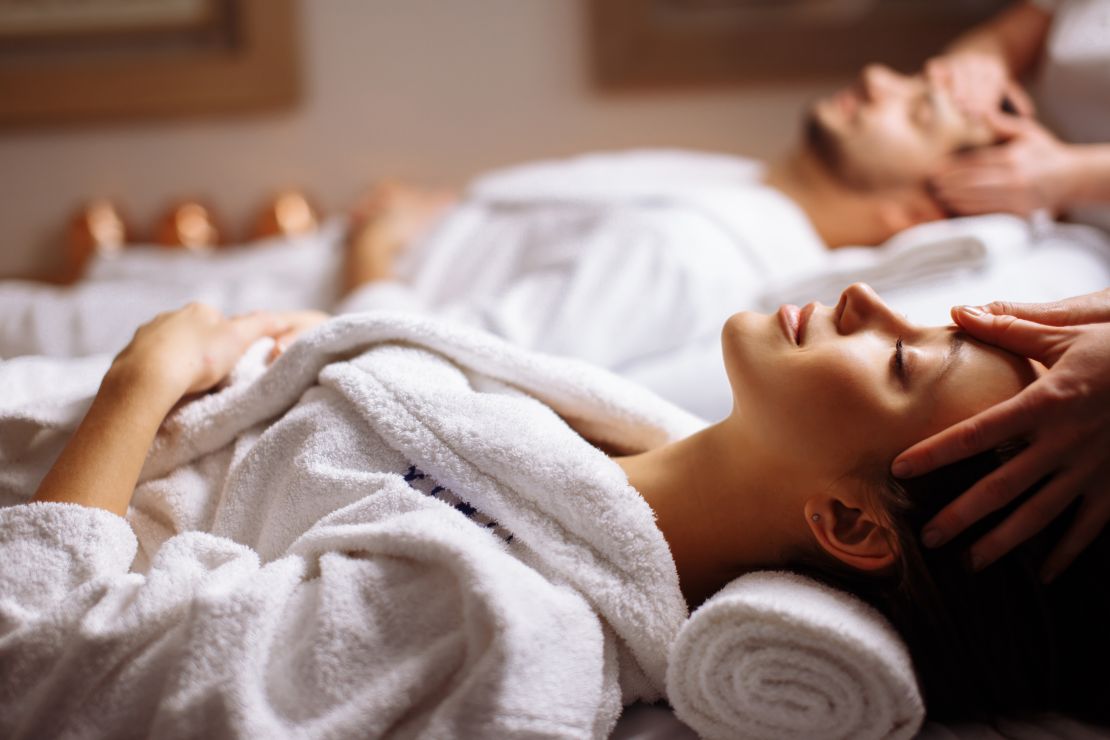
Facials now should rebuild the barrier and calm reactivity. Avoid strong acid peels unless under a clinician’s guidance. Microcurrent can be helpful for a lifting effect without irritation. A gentle enzyme pass, extractions only where needed, and a final layer of a rich balm can change how your face tolerates wind the next day. Nose and cheeks deserve special attention.
For circulation, hydrotherapy in winter centers on warm. If you enjoy contrast therapy, keep the cool phases brief. Or skip them and add dry brushing before your warm shower. It stimulates superficial circulation and can be an easy at-home habit.
Dry air management belongs in this season. If your spa uses humidifiers in treatment rooms, you will feel the difference. If not, bring water, and ask for a heavier lotion after your massage. A number like 40 to 60 percent relative humidity indoors is kind to skin and airways. At home, a humidifier set between those levels does more for sleep and skin than another mask on the shelf.
Choosing the right massage style for the season
Massage is not one thing. Pressure, pace, and intent alter the outcome. In spring and autumn, a blend works well, combining Swedish circulation strokes with targeted deep work. In summer, lymphatic drainage and light Swedish help move fluid without overly taxing heat-flushed tissues. In winter, slow, rhythmic work with warm oils gives the system a chance to downshift.
If you live with specific conditions, tailor further. For migraines that flare with barometric shifts, some find relief from craniosacral therapy in transitional seasons. For sciatica that worsens in winter, gluteal and piriformis release within a soothing full body session often hot stone massage outperforms a stand-alone trigger point attack. Athletes handling seasonal training loads should coordinate massage therapy timing with periodization, placing heavier structural sessions during base building and lighter recovery sessions during peak events.
A tip from the massage room: communicate what you want to feel after the session, not only what hurts. Say, “I want to feel warm, looser in my hips, and not wiped out,” or, “I need my calves flushed, and I am okay with local deep pressure.” Therapists can shape techniques to match that outcome more reliably than chasing a list of tender spots.

Hydrotherapy: use water like a tool
Water rituals are as old as bathing. The modern spa sometimes treats them as amenities. Treat them as dosage instead. Temperature, duration, and sequence matter.
Short, cool exposures sharpen and reset when heat overwhelm is the problem. Gentle warmth opens and soothes when cold has you in its grip. Always include a rest phase. That quiet minute on a lounger after a rinse is where your system integrates the change. If you have cardiovascular conditions, limits apply. People on certain blood pressure medications can feel lightheaded after sauna or hot tubs. If you get dizzy in hot environments, take shorter rounds and keep water nearby. No benefit is worth a tumble.
Vichy showers and experience showers, which combine overhead water with side jets, most often shine in spring and summer. They rinse exfoliants while massaging the nervous system into acceptance. Mineral soaks support winter better. Some spas offer magnesium-rich baths. While transdermal absorption varies person to person, many report muscle ease and sleep benefits afterward.
Skin care that respects the season
Skin is a living organ that constantly balances water, lipids, and keratin. Your esthetician’s job is to nudge that balance, not bully it. Seasonal facials should feel like they belong to the month you are in.
In summer, favor humectants and non-comedogenic emollients. Clear congestion with enzymes and clay masks that do not overstrip. In autumn, reintroduce controlled exfoliation to even tone. In winter, drench and seal with ceramides and butters. In spring, lighten the texture while you brighten leftover dullness.
If you have melasma or are prone to post-inflammatory hyperpigmentation, timing is critical. Aggressive peels right before a beach vacation are a recipe for blotches. Plan active resurfacing in low UV months and guard with sunscreen and hats after. Your esthetician should ask about travel, hobbies, and medicine. If they do not, volunteer the information.
A practical seasonal checklist
- Spring: moderate exfoliation, circulation massage, gentle contrast hydro, address allergies.
- Summer: light pressure massage or lymphatic drainage, cooling hydro, barrier-supportive facials.
- Autumn: posture-focused deep work, sauna with measured rounds, series of light peels.
- Winter: slow warm massage with rich oils, nourishing wraps, humidified facial rooms.
- Year-round: match treatment intensity to your week’s load, not only to the calendar.
Budgeting, cadence, and realistic expectations
Good care plans match time and money. A single lavish spa day every few months can be lovely, but bodies change more with consistent inputs. For most people, one massage a month maintains comfort if the work fits the season. Athletes in training blocks might add a 30 minute tune-up between longer sessions. For facials, quarterly visits aligned with the equinoxes and solstice make sense for maintenance, with extra sessions for targeted series like peels in autumn.
Packages can save 10 to 20 percent, but only buy them if the spa allows flexible use. I have seen too many credits expire unused. Ask about blackout dates and transfer rules. A small, reputable neighborhood spa often gives better continuity than a resort, especially if you want the same therapist through the seasons.
Expectations matter. Massage therapy will not fix a long-term postural issue in one visit, but it can open a window for you to move better. Combine it with simple home practices, like five minutes of calf raises and hip flexor stretches in autumn, or a nightly moisturizer routine in winter. Skin benefits most from consistency. One facial cannot patch a month of neglect, but a modest daily routine, plus seasonal professional care, changes the baseline.
Safety and contraindications that shift with season
High heat and prolonged sauna use in summer can overtax some people, especially if dehydrated. Cold plunges are not for everyone. If you have Raynaud’s, certain neuropathies, or cardiovascular disease, cool exposures should be short and only if they feel comfortable. People with skin conditions like eczema often flare in winter. Some scrubs and fragrances will sting. Speak up. A good therapist would rather adjust than push through a protocol.
Medications change risk profiles. Retinoids sensitize skin to peels. Blood thinners increase bruise risk with deep work. Antibiotics in the tetracycline family can increase photosensitivity, making summer facials with active acids risky. Disclose what you take. The goal is not to deny you care, it is to tailor it.
Pregnancy adds variables by trimester. Avoid hot tubs and strong heat exposures, and skip deep abdominal work. Prenatal massage with proper bolstering is safe and beneficial when performed by trained therapists. In late pregnancy during summer, swollen legs respond to light, direction-specific strokes far better than heavy pressure.
How to read your body across the year
Before you book, consider the signals your body is sending. If you are waking at 3 am in July, hot and restless, a cool rinse, quiet room, and light massage are allies. If you are sluggish and tight in February, go for warm, slow, and hydrating. If your jaw clenches during fall deadlines, ask for face and scalp work and some gentle chest opening. Keep a short note on your phone after each session. Record what you booked, the time of day, and how you felt 24 hours later. Patterns emerge within a season or two, and you can aim future care accordingly.
One client of mine, a software engineer, tracked his back pain, sleep score, and productivity for a quarter. He noticed that a 60 minute deep session on Friday evenings left him groggy all weekend. Switching to a 45 minute moderate massage on Wednesday afternoons improved sleep and cut pain by half through Sunday night. He kept the deep work, but moved it to early autumn and late spring, with less frequency.
Questions to ask before you book
- How does this treatment change with the season in your spa?
- Can the therapist adjust pressure and pacing mid-session?
- What is your approach for sensitive or reactive skin this month?
- Do you offer shorter, focused sessions if I only need specific work?
- How do you handle rescheduling if I have a sunburn or sudden flare?
At-home rituals that extend spa results
The quiet fifteen minutes after a session can anchor a new habit. In spring, add a three minute mobility routine before your morning coffee. In summer, commit to a tepid shower in the evening, two minutes cooler at the end, then lights down and a book. In autumn, put a foam roller by the couch and spend six slow breaths each on upper back and hips while dinner is in the oven. In winter, place a humidifier by your bed and a small jar of balm on the nightstand. Massage a lentil-sized amount into hands and lips. These are not grand gestures. They are stitches that hold your seasonal plan together.
Hydration is less cliché when you make it specific. In hot months, aim for water plus electrolytes after intense sweat, not just endless plain water. In cold months, remember that tea counts toward fluids, but diuretics like strong coffee do not hydrate as efficiently. Skin appreciates room humidity more than another product layer. Keep it tangible.
When to seek clinical care
There are limits to what spa treatments can tackle. Persistent swelling on one side, sudden severe back pain with leg weakness, rashes that spread or blister, or new chest discomfort all require medical evaluation. Skilled therapists refer when they suspect red flags. If your spa does not, you should.
Skin clinics have tools beyond spa facials for complex pigment, scarring, or acne. Massage therapy supports, but does not replace, physical therapy after injury. Hydrotherapy helps mood and sleep, but it is not a sole treatment for depression. The strength of spa care lies in maintenance, symptom easing, and whole-person comfort. Use it that way, and you gain more from every season.
The seasonal arc, lived
Over the years, my own calendar looks almost the same each year. In March, I book a 60 minute moderate massage and an enzyme facial. In June, I do half sessions that keep me cool and loose. October brings two structural massages two weeks apart and a light peel series. January gets a long warm massage and a barrier-repair facial, plus a commitment to a humidifier and earlier nights. It is not rigid, but it anchors me. The specifics shift with travel, deadlines, or a stubborn knee. The frame stays.
Seasonal self-care is not about doing more. It is about doing what fits. Choose treatments because they help the body you have this month, not the fantasy one in your head. Work with the season’s physics. Your skin and muscles will answer in kind.